The Highland Clearances Revisited in 2026
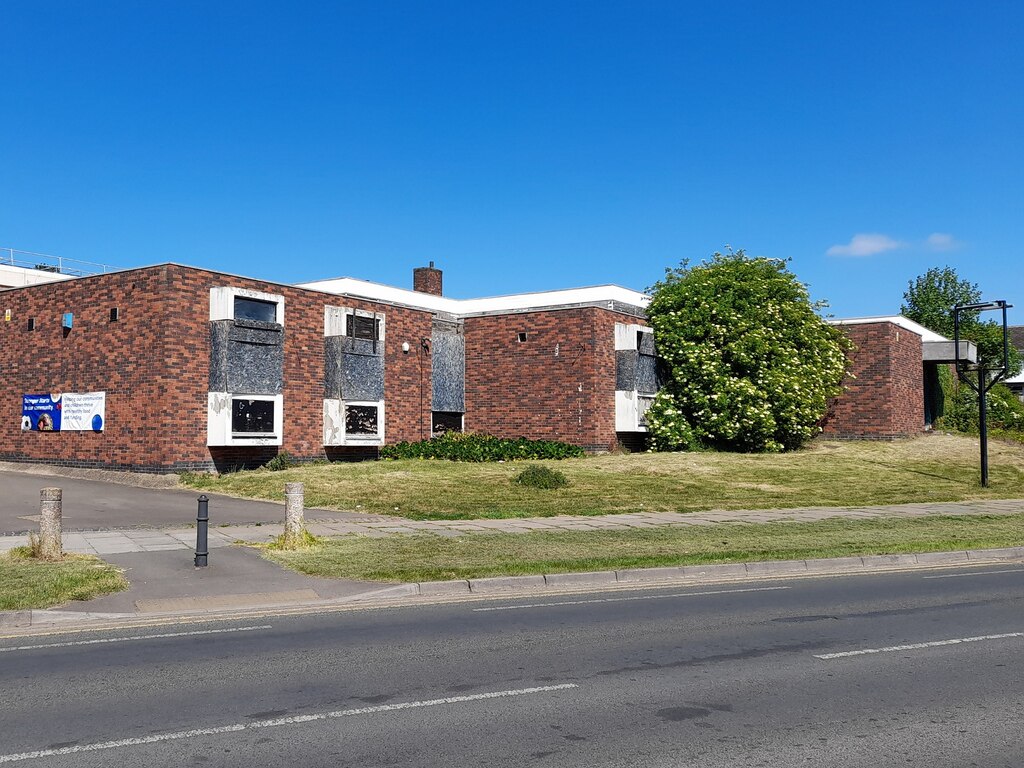
Wright’s Agriculture Limited has moved from Oadby Lodge Farm to Houghton Lodge Farm, following the ending of the lease for the celebrated dairy farm begun in 2017, the redundancy of the Herd Manager and his staff and the eviction of the Herd Manager and his family. This ‘business decision’ seems to border upon the unethical and immoral even if perfectly legal.
What seems however, to be becoming clear is this is not a one-off and it appears to be a ‘natural’ part of the landholding farming industry cycle.
Wright’s Agriculture is a family run business that was established in 1946 by J N Wright, with the purchase of 6 cows and 1 horse at a smallholding in Mountsorrel, Leicestershire. This small herd expanded over the years to 380 cows, located at Brookfield Farm, Leicestershire and produced 10,000 litres per cow per year. In March 2008, the herd was sold because of the locality to the village of Rothley and proposed new developments.
J N Wright & Son was based at Brookfield Farm from 1955-2012 and in 2012, news was received that Brookfield Farm was to be developed, meaning the farm needed to relocate by April 2013.
In early 2011, J N Wright & Son purchased an ex dairy farm in Saxelbye, Melton Mowbray as a secure base for the future. All day-to-day operations take place from Glebe Farm, Saxelbye.
Wrights farm and contract farm across Leicestershire and South Nottinghamshire and specialise in whole farm contracts and arable contracting. Wright’s Agriculture is based in Saxelbye, Leicestershire and also Colston Bassett, Nottinghamshire. They run a large fleet of modern machinery using the latest GPS technology for yield mapping, variable fertiliser and seed-rates for increased crop productivity. A wide range of cultivation techniques and sowing equipment are also used to make the best of the unpredictable weather and ground conditions.
Wrights is a larger operation that has been in existence for eighty years whereas The Dairy farm at Houghton Lodge Farm had only been operating from 2017. Given Wrights themselves had been a victim of the land ownership/leasing and development cycle and had been in existence for almost a century they were clearly the horse to back.
The land ownership-leasing-development cycle is the backbone of how land gets turned into housing, commercial sites, or infrastructure. It’s not a single linear process but more a loop involving investors, planners, developers, occupiers, and sometimes public bodies.
Land starts with a freeholder (individual, company, estate, or public authority). This could be private landowners (farmers, families, trusts), institutional investors (e.g. Legal & General, The Co-op, The Wellcome Trust) or public sector bodies (e.g. Homes England, from whom Urban and civic have taken a loan to develop 4,000 houses south of Gartree Road). Ownership may be freehold (outright ownership) or leasehold (long-term interest, often 99–999 years).
At this stage, the land may not yet have been granted planning permission, might be agricultural or low-value use and only have “Hope value” (speculative future development potential). Before development, land is often “controlled” without being owned outright.
Common mechanisms include option agreement where the developer pays for the right (not obligation) to buy later. A promotion agreement where a promoter (e.g. Urban & Civic) funds planning work and shares uplift in value. A conditional contract where purchase only completes if planning is granted. Most developers don’t initially own the land, they secure control first.
Planning permission is the biggest value driver of these transactions as land value can jump dramatically. Agricultural land valued at £10 to 25k per acre, with residential permission jumps dramatically to £1m-£3m or more an acre (location dependent). The transition process involves the Local authority (e.g. Leicester City Council, Harborough District Council), local plans/zoning, section 106 agreements (affordable housing, infrastructure) and community consultation.
Once planning is secured the promoter sells land to housebuilders (e.g. Barratt Developments), commercial developers or institutional investors. Alternatively, the landowner and developer enter a joint venture. At this point, value is “realised” by the landowner/promoter.
The developer builds the scheme, the infrastructure (roads, utilities), completes construction (homes, offices, retail) and manages the phased delivery (often over years).
There are key tensions in the system, some controversial, sometimes land banking takes place with developers holding land without building, Planning gain capture and who benefits from value uplift, public vs private interest, leasehold vs freehold debates, speculation vs delivery speed.
This is relevant because in places like Leicester (including areas like Evington or Oadby) agricultural or edge-of-city land often enters this cycle, promoters assemble sites long before the public notices, planning decisions drive massive wealth shifts and NHS, councils, and private companies sometimes intersect via land deals.
In many ways this is akin to the highland clearances of the eighteenth century where landowners evicted tenant crofters in order to improve their financial return through better drainage, enclosure, consolidation of larger farms, the introduction of new stock (sheep over black cattle, principally) and crop rotation.
Sources:
- https://www.wrightsagriculture.co.uk/history41f7978d/
- https://westbridgfordwire.com/4000-homes-planned-near-leicestershire-village/
- https://harborough.oc2.uk/document/61/5932/
- https://www.urbanandcivic.com/portfolio/strategic-sites/Land-south-of-gartree-road/
- https://scottishhistorysociety.com/the-highland-clearances/