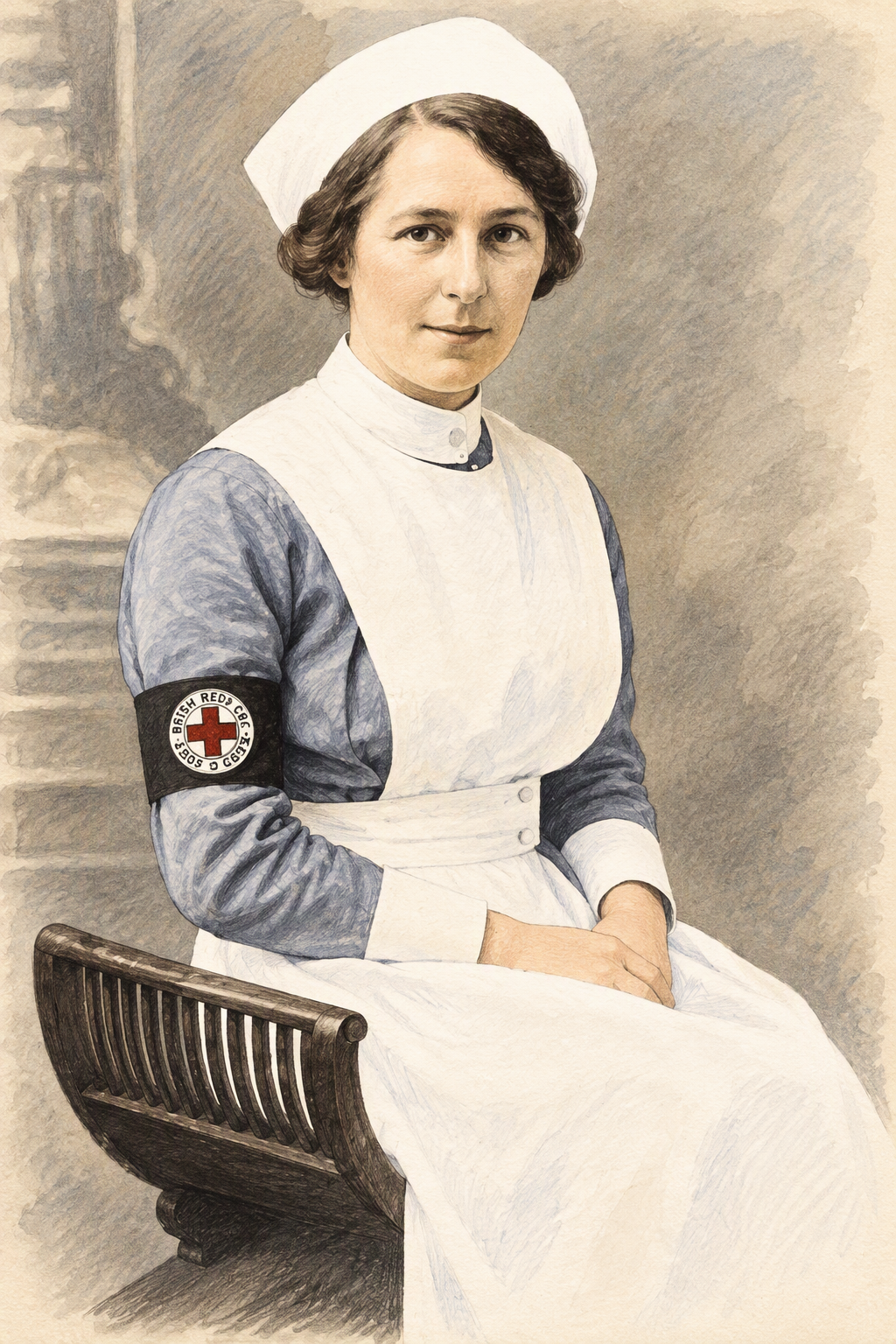
Tom Trevor Sawday (1879-1964)
The Secret Hero of Evington Park: Planes, Bombs, and Big Buildings!
Imagine waking up to hear a real airplane crash right outside your front door—and then finding two live, unexploded bombs hiding in your attic!
That really happened right here in Evington to a man named Tom Trevor Sawday. He was an explorer of the skies, a master builder of famous city landmarks, and the real-life protector of the park where kids play cricket today.
1. Born to Build
Tom was born in Leicester over 140 years ago. His dad was one of the most important builders in town and even became the Mayor! Young Tom learned how to draw blueprints and create towering brick buildings. Later, he married the daughter of Arthur Wakerley—another famous Leicester visionary who planned out entire neighbourhoods like North Evington with wide, sunny streets.
Tom didn’t just build normal houses; he designed places that kept people safe:
-
A Mega Fire Station: He won a massive contest to design Leicester’s grand Central Fire Station on Lancaster Road. He even built a whole row of secret houses right next door so the firefighters and their families could dash to emergencies in seconds!
-
Cottages for Soldiers: In Oadby, he built a horseshoe village of cosy, storybook cottages for wounded soldiers coming home from the First World War.
-
Halls & Warehouses: He helped build Granby Halls, giant shoe and sock factories, and hospital wings across the city.
2. Flying High
Long before modern vacation jets, early airplanes were made mostly of wood, wire, and canvas. Tom fell in love with flying! He helped set up the Leicestershire Aero Club at Desford and even clubbed together with friends to buy an open-cockpit biplane nicknamed “Fernie.” He loved soaring high above the Leicestershire fields, looking down on the streets he helped design.
3. The Battlefield in the Garden
In 1931, Tom bought Evington House—the grand old house that still sits in the middle of Evington Park. He used his architectural skills to move the main front doors to where they are today. But just a few years later, the Second World War broke out, and his house turned into a real-life fortress.
Tom joined the local Home Guard (a volunteer army of locals nicknamed “Dad’s Army”) and became second-in-command. He turned his home into their secret headquarters! Soldiers drilled on the grass, stored equipment in the sheds, and kept watch for enemy spies and airplanes.
Then came the dangerous moments:
-
The Crater in the Cricket Pitch: In November 1940, German bombers flew over Leicester in the dark and dropped a high-explosive bomb. It missed the house by inches, blasting a giant crater right into the grass where children play cricket today!
-
The Crash in the Driveway: In April 1941, an airplane clipped a nearby chimney in the village, spun out of control, and smashed straight into Tom’s front driveway! A piece of it tore a hole clean through the roof of Evington House.
-
Bombs in the Attic: When Tom and the bomb squad checked the damaged roof, they found two real bombs lying side-by-side in the dark attic rafters. Tom’s wife and their maid were evacuated immediately while brave bomb disposal experts carefully defused them before they could blow up!
4. The Park Gift to You
After surviving the war, Tom did something extraordinary. In 1947, he agreed to sell the grand house and its rolling green fields to the city for a cheap price.
Best of all, he added a permanent legal rule: no one is ever allowed to build houses or roads on that land. It had to stay a green park for children and families to enjoy forever. In 1948, the village held a giant party to open Evington Park, which is still there for you to run, explore, and play in today!
Tom Trevor Sawday: Architect, Aviator, and Custodian of Evington House
Tom Trevor Sawday was an influential 20th-century Leicester architect, community leader, and aviation enthusiast. Connecting two of Leicester’s most notable civic dynasties, his professional work shaped prominent city landmarks, while his personal stewardship ensured the preservation of Evington House and the parkland that surrounds it today. During the dark years of the Second World War, his private home became the very shield and rallying point of the village.
Family Background and Education
Tom Trevor Sawday was born in Leicester in 1879 into a family steeped in architecture, civic duty, and public service.
-
The Sawday Dynasty: He was the son of Albert Edwin Sawday (A. E. Sawday), a leading Leicester architect who served as Mayor of Leicester in 1903 and designed major civic works across the city, including “The Y” (YMCA) on East Street.
-
Education & Early Career: Trevor attended Leeds Grammar School before pursuing architectural training and joining his father’s established practice, which became known as Sawday & Redfern.
-
The Wakerley Connection: His ties to Leicester’s urban landscape deepened significantly through his marriage into the family of Arthur Wakerley (1862–1931)—one of Leicester’s most famous architects, entrepreneurs, and civic reformers, renowned for developing North Evington as a model garden suburb for working people. He married Gwendolen Wakerley.
Architectural Career and Civic Achievements
Sawday left an indelible architectural mark across Leicester, designing buildings focused on education, public safety, and civic welfare:
-
Granby Hall (Junior Training Hall): In 1915, during the First World War, Sawday designed the original hall on the Granby Halls site, funded by private subscription as a military training hall before later expanding into Leicester’s events and sports venue.
-
Leicester Central Fire Station (Lancaster Road): His most acclaimed individual design triumph came in 1924, when he won First Premium in an open architectural competition. The grand Central Fire Station and Firemen’s Housing complex on Lancaster Road was completed in 1927, standing today as a landmark of civic pride.
-
Civic and Healthcare Infrastructure: As part of his firm’s practice, he contributed to the expansion of The Towers Hospital in Humberstone, the Cripples’ Guild on Colton Street (1910), and designed substantial residential villas and suburban developments during Leicester’s interwar expansion.
Aviation Pioneer
Beyond architecture, Sawday had a keen passion for early aviation. He served as a co-founder and Chairman of the Leicestershire Aero Club based at Desford. He actively supported local flying, joining with other club founders to co-purchase a De Havilland DH.60 Moth aircraft (named Fernie) as a gift to help establish the club’s early flying operations.
Life at Evington House (1931–1947)
In 1931, Sawday purchased Evington House from the Leicester manufacturer Frank Pochin, establishing it as the private family residence of the Sawdays:
-
Architectural Modifications: Applying his professional expertise, Sawday extensively altered the internal layout and exterior access. Most noticeably, he repositioned the primary front entrance to the location it still occupies today.
-
A Country Estate in the Village: His residence represented the final era in which the house functioned as a private country residence before transitioning to public ownership.
Wartime Trials: Evington House on the Home Front (1939–1945)
When the Second World War broke out, life in Evington straddled two stark realities: the quiet rhythm of a semi-rural village on Leicester’s eastern fringe, and the ever-present threat of aerial bombardment. For local residents, Evington House became the nerve centre of village defence.
Headquarters of the Evington Home Guard
The house was requisitioned as the official headquarters of the Evington Home Guard Platoon. Sawday volunteered immediately for local defence, serving as the platoon’s second-in-command. With his deep architectural and spatial knowledge, he knew every ditch, hedgerow, tree line, and outbuilding across the estate, helping turn his own home into a defensive post.
For local men joining the Local Defence Volunteers (LDV), stepping into Evington House was an extraordinary experience:
-
The Volunteers: The muster rolls united the whole village—First World War veterans wearing medal ribbons on civilian coats, teenage lads not yet old enough for regular conscription, farm hands, shopkeepers from Main Street, and clerks commuting from the city.
-
Muster in the Hall: Men crunched across the gravel driveway past heavily blacked-out sash windows into rooms where elegant Georgian proportions met military austerity. The hallway echoed with heavy boots, pipe smoke, and the smell of dubbin and wet serge. Maps of Leicestershire and grid charts of Evington parish were pinned directly over domestic wallpaper, plotting observation posts, telephone points, and road junctions.
-
Vigil on the Ridges: Volunteers took turns on night patrols and static watches, scanning the skyline for enemy parachutists, gliders, or flares dropped by Luftwaffe pathfinders over eastern Leicestershire. They drilled with improvised weapons, later progressing to Lee-Enfield rifles and Mills bombs stored securely in the outbuildings, and set up night checkpoints along St Denys Road and the lanes toward Gartree Road.
Behind the Lines: The Village Effort
Supporting the platoon was a shared community effort:
-
The Kitchen War: Enduring watches through freezing East Midlands winters demanded hot tea. Local women, alongside Mrs. Sawday and the household staff, kept kettles boiling, providing tea, sandwiches, and pasties to volunteers coming off duty at 3:00 AM.
-
First Aid and Blackout: Ground-floor rooms were prepared for casualty clearance under local Air Raid Precaution (ARP) volunteers and auxiliary nurses. Villagers maintained strict blackout discipline, knowing that a single chink of light from the house could draw enemy bombers targeting Leicester’s rail yards and munitions works.
Bombs on the Doorstep
The peril was immediate and real:
-
The Cricket Square Crater (20 November 1940): During a devastating aerial raid on Leicester, a German high-explosive bomb scored a direct hit on the grounds. The blast shook Evington House to its foundations, shattering glass and gouging a massive crater into the turf—in the exact area that now serves as the park’s cricket square. Inside, Sawday and the on-duty volunteers were shaken but miraculously unharmed.
-
Plane Crash and Unexploded Bombs (April 1941): In April 1941, a twin-engine bomber clipped a chimney in St Denys Road and crashed into the driveway (now Cordery Road). The impact tore a gaping hole through the roof of Evington House. In the attic rafters, two unexploded bombs were discovered lying side-by-side. Volunteers quickly cordoned off the site, safely evacuating Mrs. Sawday and her maid until bomb-disposal officers could defuse and extract the ordnance.
Civic Legacy: The Gift of Evington Park
The shared trials of the war years forged an enduring bond between the Sawday family, Evington House, and the surrounding village. In 1947, the Sawday family made the decision to sell the house and its expansive grounds to the Leicester Corporation.
In keeping with the generous traditions of both the Sawday and Wakerley families, the estate was conveyed at a modest price, protected by a permanent covenant: the land should never be built upon, but preserved for the health and enjoyment of local residents in perpetuity.
In 1948, the grounds were officially dedicated and opened as Evington Park amid joyful village celebrations.
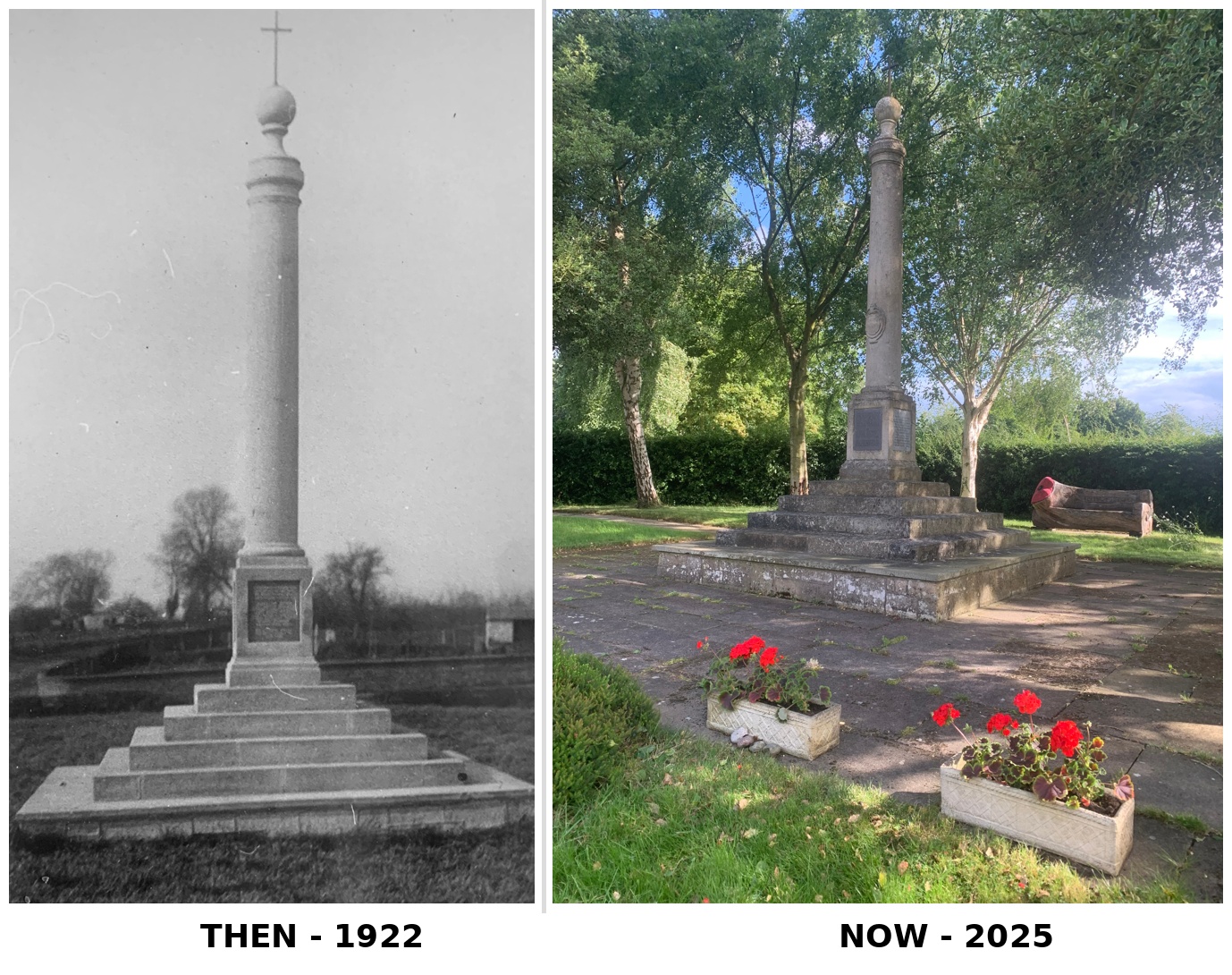
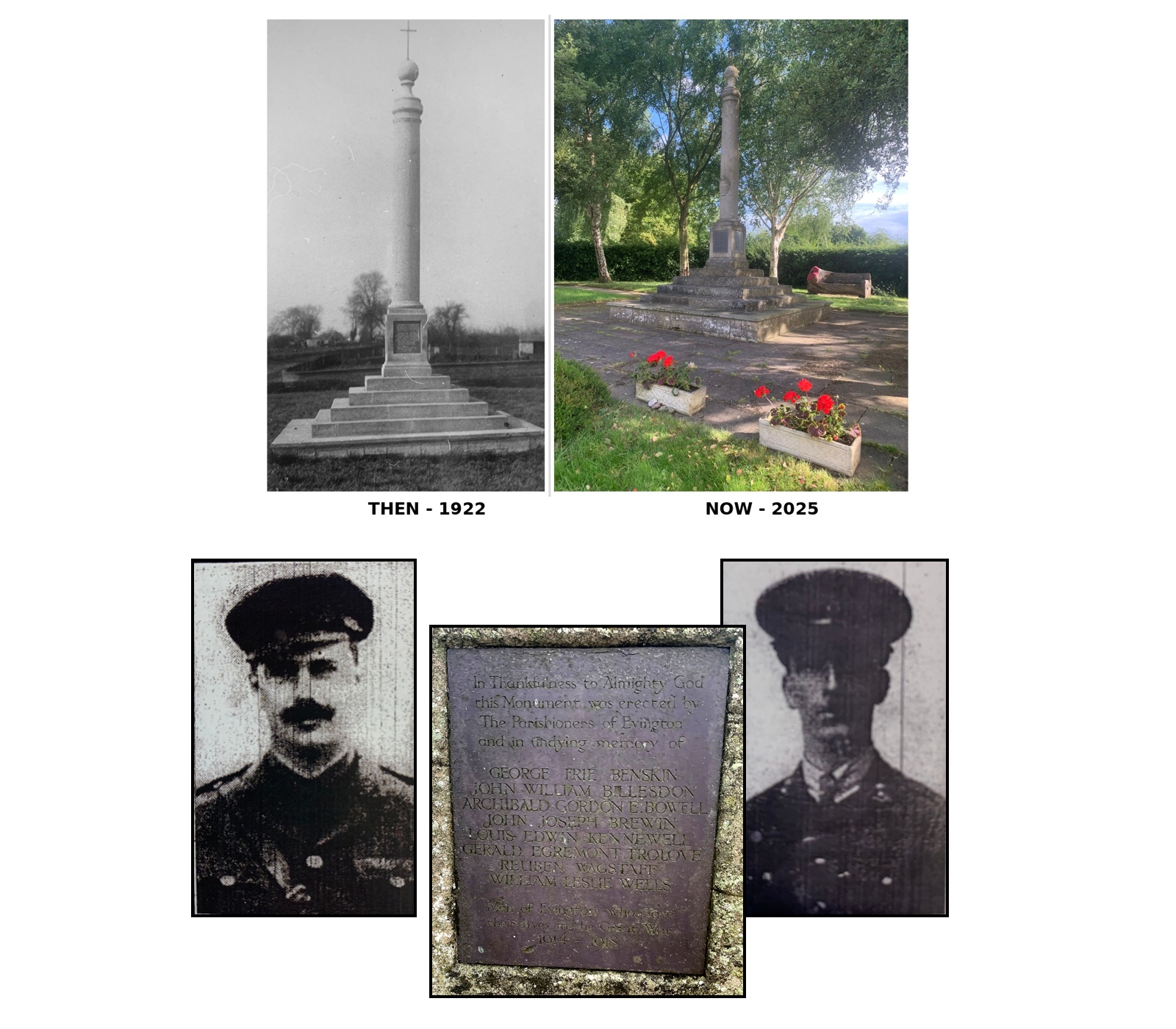
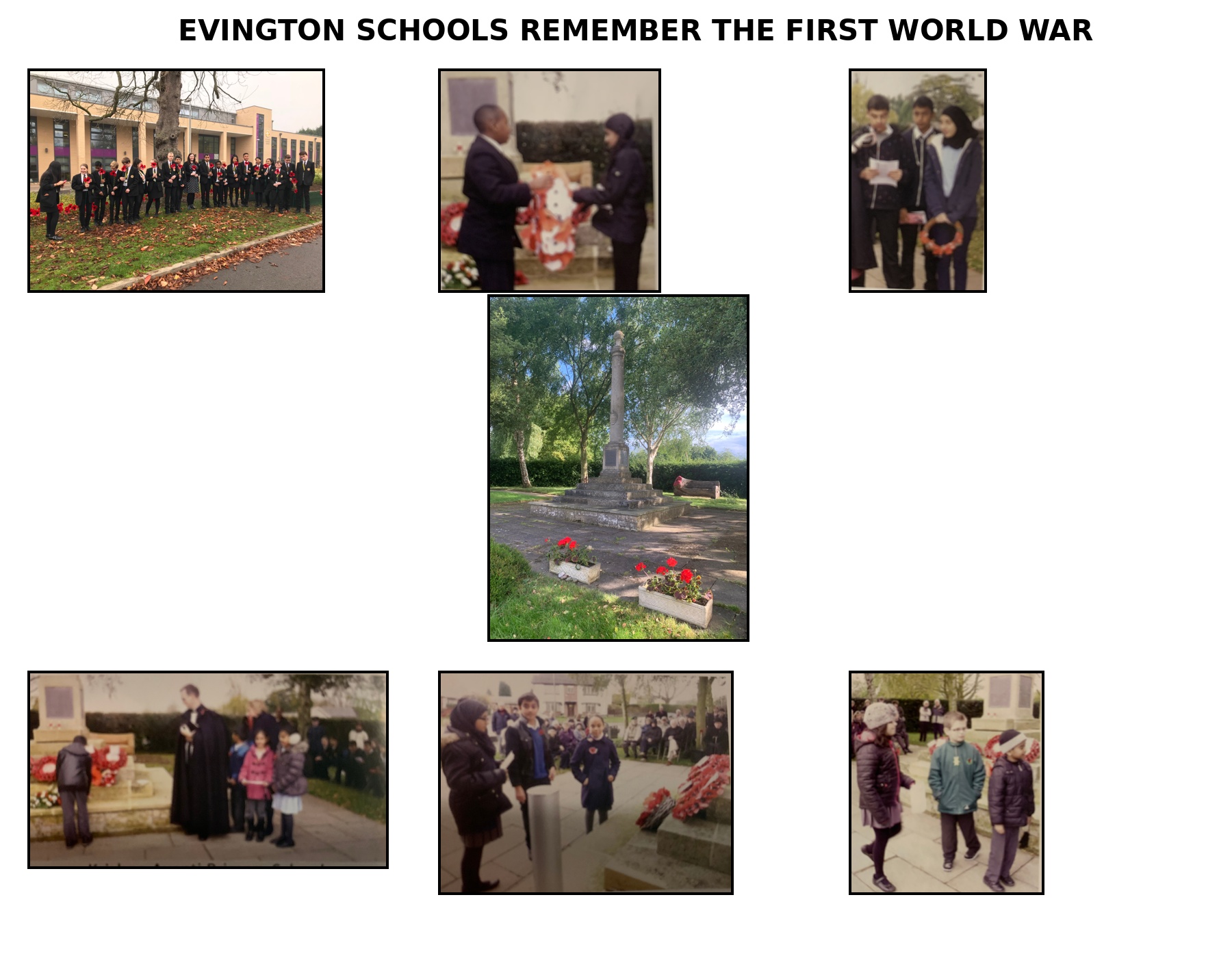
Tom Trevor Sawday passed away in 1964 at the age of 85. Today, as we remember the courage and sacrifices of our community at the War Memorial, we also remember the architect, aviator, and custodian whose quiet resolve sheltered the village in wartime and gifted it an enduring green sanctuary for generations to come.